
Understanding the psychology behind gambling behavior A deep dive into decision-making dynamics
The Nature of Gambling: Understanding Motivation
Gambling has long been an activity that captures the human imagination, often driven by various motivations. People gamble for many reasons, including thrill-seeking, social interaction, and the potential for financial gain. The psychological allure of winning can create a powerful incentive, often leading individuals to engage in gambling despite the inherent risks. At Prestige Spin Casino, understanding these motivations is crucial as it reveals the complex interplay between desire and decision-making.

The excitement of gambling can trigger the brain’s reward system, releasing dopamine, a neurotransmitter associated with pleasure and reinforcement. This chemical reaction reinforces the behavior, making it more likely for individuals to return to gambling even after losses. Moreover, the social aspect of gambling—whether in a physical casino or an online platform—provides a communal experience that can amplify these motivations. The combination of individual and social factors creates a unique gambling environment.
Recognizing these motivations also sheds light on the psychological profiles of gamblers. Some individuals may be more predisposed to compulsive gambling due to their personality traits, such as impulsivity or risk-seeking behavior. Understanding the motivation behind gambling is essential for developing effective strategies for responsible gaming and addressing problematic behaviors, as it allows us to consider why certain individuals are more susceptible to the allure of gambling than others.
Cognitive biases significantly influence how individuals approach gambling. One of the most prevalent biases is the illusion of control, where gamblers believe they can influence the outcome of games that are largely based on chance. For example, a player might think that their strategy in a game like roulette can lead to consistent wins, despite the random nature of the outcomes. This bias not only distorts their perception but also affects their decision-making process.
Another common bias is the gambler’s fallacy, which refers to the belief that past events will influence future outcomes. For instance, if a slot machine has not paid out for a while, a gambler might assume that it is “due” for a win. This misunderstanding can lead to misguided bets, as players overlook the inherent randomness of gambling outcomes. Cognitive biases like these can complicate the decision-making dynamics at play, leading to poor financial choices and reinforcing the cycle of gambling.
Moreover, the framing effect also plays a role in decision-making in gambling contexts. The way information is presented can significantly impact choices; for instance, describing a bet as having a “90% chance of winning” might lead to different behavioral responses than stating there’s a “10% chance of losing.” These cognitive biases highlight the complexities of gambling behavior and emphasize the need for increased awareness among gamblers about how such perceptions can cloud judgment and lead to poor decision-making.
Emotions play a pivotal role in gambling behavior, often influencing decisions more than rational thought. The thrill of winning can create a euphoric high, while losses can lead to feelings of despair, frustration, or even anger. This emotional rollercoaster can cloud judgment and lead individuals to make impulsive decisions, such as chasing losses or increasing bets to regain a perceived sense of control. Recognizing the emotional dynamics involved in gambling is vital for understanding the behavior of gamblers.
Furthermore, emotional responses can also lead to a cycle of reinforcement. A big win can lead to heightened excitement, prompting gamblers to return for more in pursuit of that same emotional high. Conversely, losses can trigger a “loss aversion” response, where individuals gamble more in an attempt to alleviate negative emotions. This cycle often traps gamblers in a pattern of behavior that can be difficult to break, highlighting the need for emotional awareness in gambling.
Ultimately, developing emotional intelligence can empower gamblers to recognize when emotions are influencing their decisions and to make more informed choices. For instance, individuals who can identify feelings of frustration or desperation may decide to take a break rather than continue gambling in a vulnerable state. Understanding the emotional dynamics of gambling can contribute to healthier behaviors and more effective coping strategies.
The social context of gambling significantly impacts individual behavior. Peer pressure and social norms can encourage gambling activities, often leading to increased participation. In social settings, people may feel compelled to gamble to fit in or impress others, which can heighten the excitement but also exacerbate risk-taking behaviors. The influence of friends and family can be particularly strong, particularly in environments where gambling is normalized.
Moreover, the advent of online gambling platforms has transformed the social dynamics surrounding this activity. Social media and online communities can create a sense of belonging among gamblers, fostering environments where excessive gambling is encouraged. Gamblers often share experiences and outcomes in these spaces, creating an echo chamber that can further normalize their behaviors. Understanding these social influences is key to recognizing how collective attitudes toward gambling can shape individual decisions.
Additionally, the role of marketing and advertising cannot be overlooked. Companies often portray gambling as an exciting and glamorous activity, enticing potential players to participate. This marketing can exacerbate existing social pressures, especially among vulnerable populations. Awareness of these social influences is crucial for promoting responsible gambling practices and ensuring that individuals are making decisions based on their values rather than external pressures.
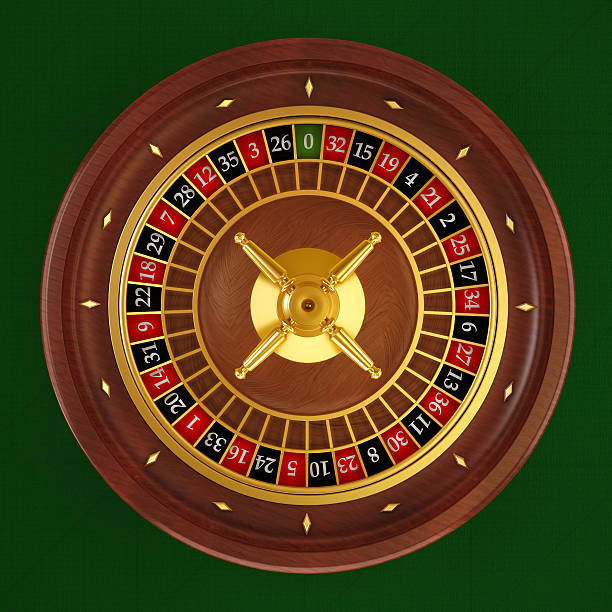
At Prestige Spin Casino, players can explore an engaging and diverse range of gaming options, allowing them to experience the thrill of gambling in a safe and regulated environment. The platform prioritizes player satisfaction, offering a variety of promotions and bonuses that enhance the gaming experience. This focus on player engagement is crucial in fostering a responsible approach to gambling, allowing users to enjoy their favorite games without falling into harmful patterns.
Moreover, Prestige Spin Casino emphasizes the importance of secure payment options and customer support, creating a trusted space for players to indulge in their gaming interests. The availability of resources aimed at promoting responsible gambling practices further supports users in making informed decisions. By providing tools that encourage self-awareness, the casino aligns itself with best practices in the industry.
In conclusion, understanding the psychology behind gambling behavior involves delving into a complex web of motivations, cognitive biases, emotional dynamics, and social influences. By fostering a greater awareness of these factors, players can make more informed decisions and enjoy a more rewarding and balanced gaming experience at platforms like Prestige Spin Casino. The journey of understanding gambling behavior is essential for promoting a healthier gaming culture, allowing individuals to enjoy the excitement responsibly.
“`