
The fascinating history of gambling An exploration through the ages
The Origins of Gambling
The history of gambling stretches back thousands of years, with its roots firmly planted in ancient civilizations. Archaeological evidence suggests that gambling has existed in various forms since at least 3000 BC in China, where it was linked to a range of activities, including betting on the outcomes of games and events. Early dice made from animal bones have been uncovered in many regions, indicating that the human fascination with chance and risk has always been a part of culture. Today, platforms like neosurf online casino australia continue this enduring legacy, blending tradition with modern technology.

In ancient Mesopotamia, people played games involving betting on the outcomes of events, which would later evolve into organized gambling. The concept of fortune and luck in these societies was intertwined with religious beliefs; many viewed gambling as an act influenced by the gods. This spiritual dimension lent a certain mystique to gambling, which attracted individuals from all walks of life, whether they were warriors wagering on the outcomes of battles or commoners betting on local games.
The Greeks and Romans also contributed significantly to the evolution of gambling. The Greeks had a penchant for games of chance, with betting on athletic events, particularly the Olympic Games, becoming quite popular. Romans took this enthusiasm a step further, legalizing various gambling activities and hosting games in public arenas. This fusion of gambling with entertainment laid the groundwork for the more structured gambling environments that would develop in the centuries to follow.
The Medieval Period and the Renaissance
As Europe transitioned into the Medieval Period, gambling did not fade away; rather, it evolved. Despite the Church’s disapproval of gambling activities, many forms persisted, including card games that gained popularity in the 14th century. This period also saw the emergence of gambling houses, which operated in the shadows of legality. These establishments catered to the interests of the upper classes, further intertwining gambling with social status and wealth.
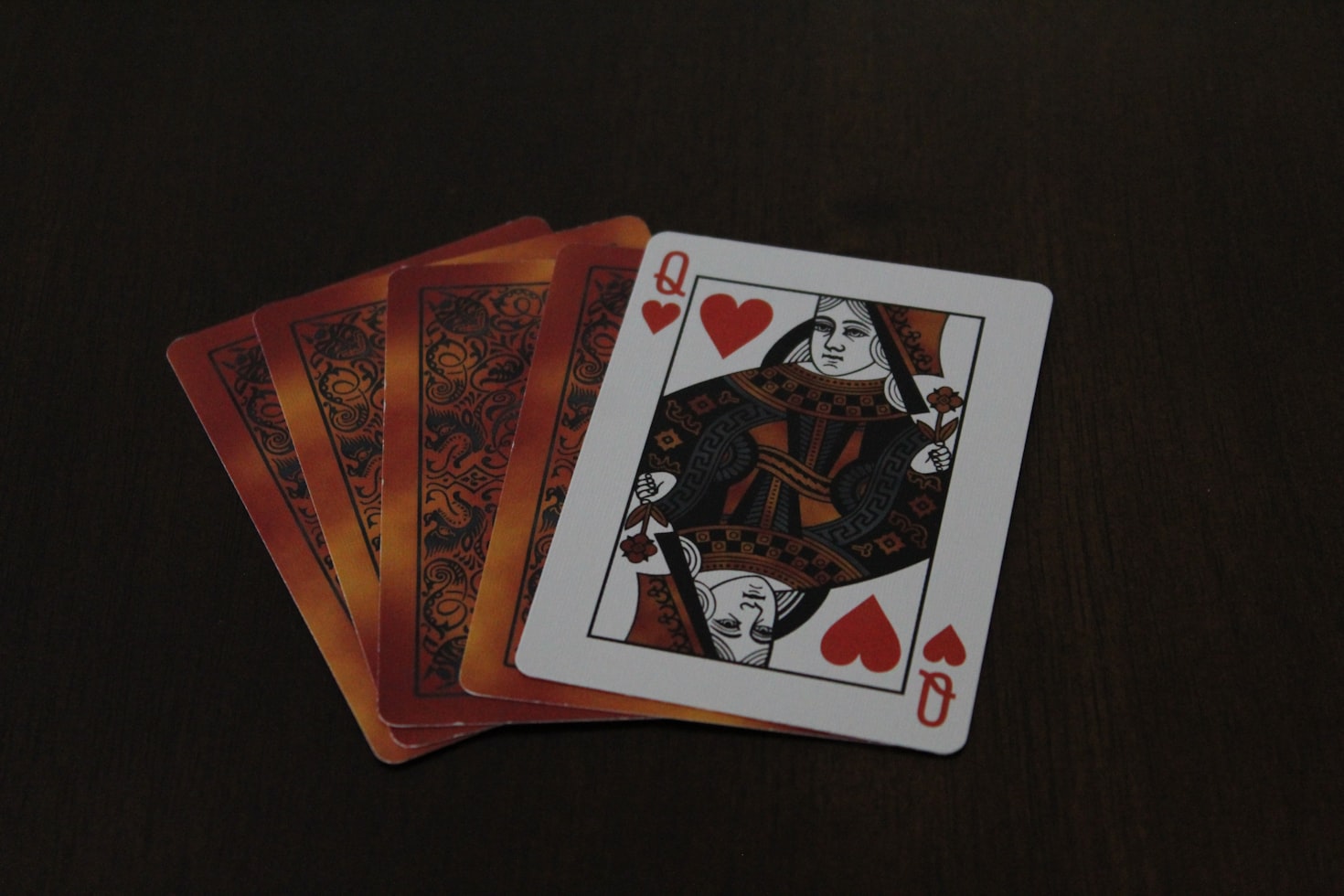
The Renaissance brought about a renewed interest in arts and sciences, which also influenced gaming. Innovations in card games gave rise to the modern deck of playing cards, facilitating a surge in gambling activities. This era marked a significant shift in how gambling was perceived; it began to be recognized as both a pastime and a risk. The excitement of risk versus reward became a prevailing theme, shaping the games that would be played for centuries to come.
With the rise of the bourgeoisie during the Renaissance, gambling transitioned into a more structured activity. Gaming houses began to offer regulated games, and the concept of casinos started to emerge. Venice’s Ridotto is often cited as one of the first casinos, where nobles could indulge in games of chance in a controlled environment. This shift from informal gambling to more formalized settings allowed for a broader spectrum of participants, paving the way for the modern casino culture we see today.
The Rise of Modern Gambling
The 19th century marked a significant turning point in the history of gambling, particularly with the establishment of state lotteries and the proliferation of gambling establishments across Europe and America. The introduction of roulette and the popularity of poker in the United States catalyzed a gambling boom that attracted a diverse range of players. The Gold Rush of the 1850s in America brought a wave of people eager to strike it rich, leading to the rise of saloons that doubled as gambling houses.
The legalization of gambling in various states also played a pivotal role in shaping the landscape. Cities like Las Vegas emerged as gambling hubs, attracting tourists and gamblers from around the globe. The 20th century witnessed a diversification of gambling options, including horse racing, sports betting, and the birth of the lottery as a state-sanctioned activity. This acceptance signaled a cultural shift; gambling began to be viewed not merely as a vice, but as a legitimate form of entertainment.
Technological advancements during this time further revolutionized gambling. The introduction of slot machines in the late 19th century and their subsequent refinement paved the way for a new era of gaming. The invention of the electronic slot machine in the 1960s led to a surge in casino attendance, as players were attracted by the prospect of hitting a jackpot. This era firmly established gambling as a major entertainment industry, drawing millions of participants and generating substantial revenue.
The Digital Revolution and Online Gambling
The advent of the internet in the late 20th century opened new frontiers for gambling. Online casinos emerged in the mid-1990s, allowing players to engage in gambling activities from the comfort of their homes. The convenience and accessibility of online gambling attracted a vast audience, transforming the gambling landscape once again. Players could access a wide variety of games, from poker to slots, with just a click of a button.
As online gambling gained traction, regulatory frameworks began to evolve to ensure player protection and fair play. Countries started to establish laws governing online gaming, leading to the emergence of licensed and regulated platforms. This not only legitimized online gambling but also fostered innovation in gaming technology, enhancing user experiences through advanced graphics, live dealer games, and mobile accessibility.
Furthermore, the rise of cryptocurrencies has begun to influence the online gambling industry. With the potential for anonymity and secure transactions, cryptocurrencies offer a new dimension to online betting. As digital wallets and payment options proliferate, players can enjoy increased security and convenience. The integration of technology into gambling continues to shape the industry, promising a future filled with possibilities and transformations.
Exploring Online Gambling Options Today
As online gambling continues to flourish, platforms like Neosurf Casino Australia play a crucial role in connecting players with safe and reliable gaming experiences. These platforms prioritize user security, offering various payment options like Neosurf to ensure seamless transactions. Players can explore a plethora of online casinos that provide an exciting range of games, from classic table games to modern video slots.
The emphasis on responsible gaming has never been more significant in today’s digital landscape. Websites dedicated to online gambling not only provide access to games but also offer educational resources to help players understand the risks associated with gambling. Information on responsible gaming practices empowers users to make informed choices, contributing to a healthier gambling environment.
In conclusion, the history of gambling reflects the ongoing human fascination with risk and reward. From ancient civilizations to the digital age, gambling has evolved and adapted to societal changes, technological advancements, and cultural shifts. As we move forward, platforms like Neosurf Casino Australia will continue to enhance the gambling experience, ensuring security, convenience, and responsibility remain at the forefront of this ever-evolving industry.